Choose one visible location
Use a wall that adults and children pass during normal routines, such as the kitchen, hallway, or entry. A calendar hidden in an office cannot help someone packing a school bag near the door.
Begin with only three pieces: a weekly calendar, a place for papers that require action, and a short list of this week’s priorities. More sections can be added later if a real need appears.
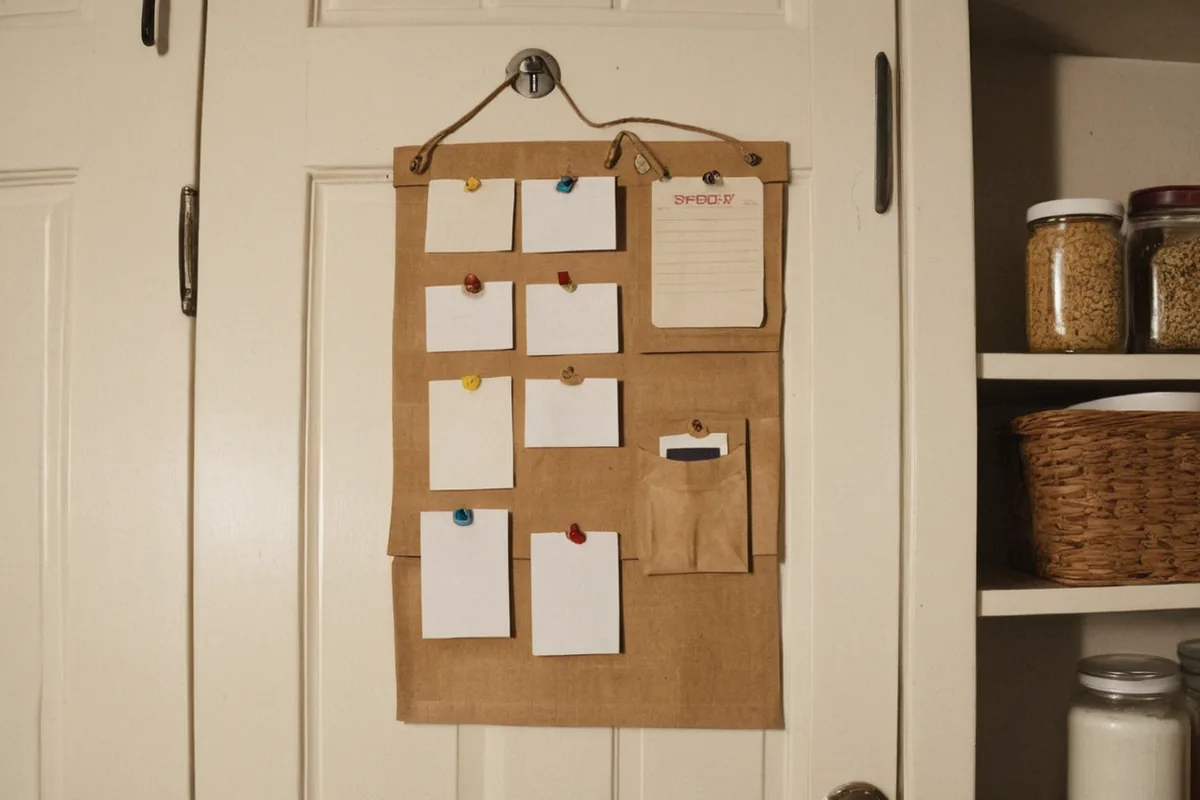
Make ownership obvious
Use a color, initial, or simple symbol for each person. Write the person responsible next to forms and errands rather than leaving a general pile that everyone assumes someone else will handle.
Keep a pen attached nearby. Tiny friction matters; a system that requires searching for supplies will stop reflecting reality.
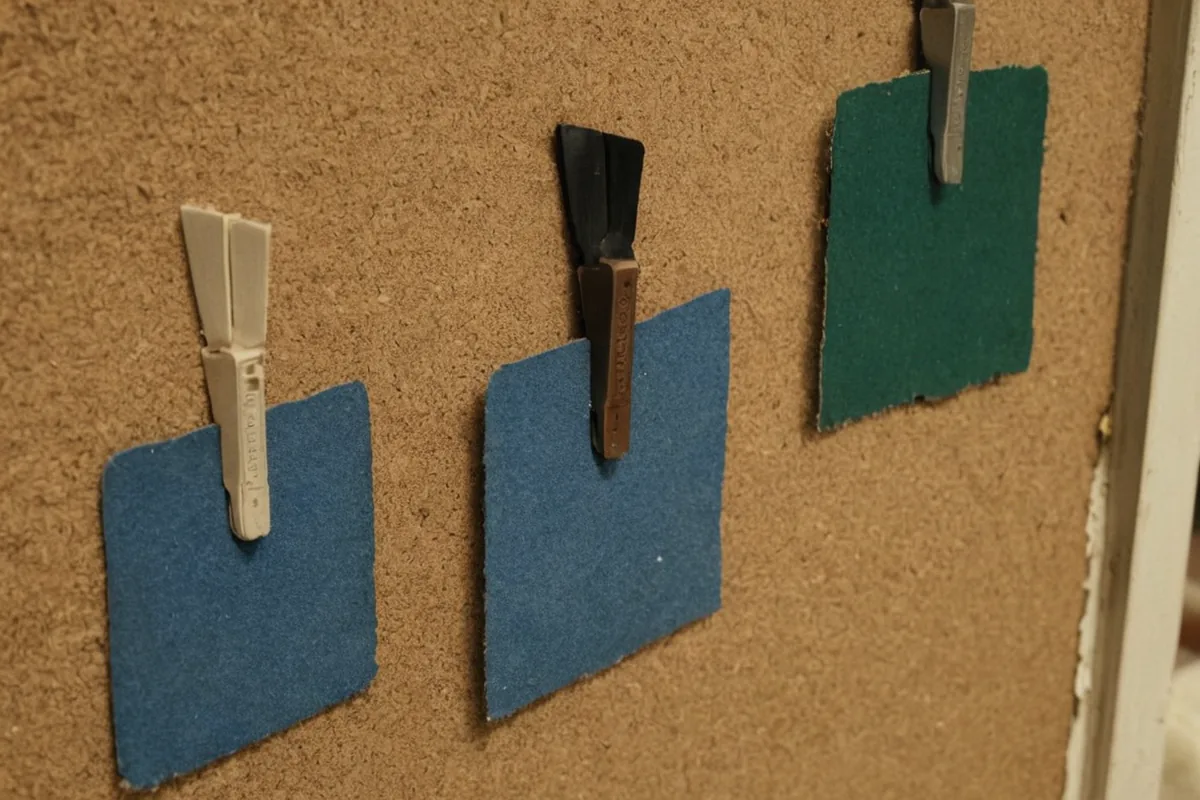
Review it at the same time each week
A ten-minute weekly check keeps the board useful. Transfer dates, discard expired notices, and decide which tasks genuinely need attention. Let family members add one request or reminder of their own.
The command center should reduce questions, not become another project. If a section stays untouched for a month, remove it and reclaim the space.
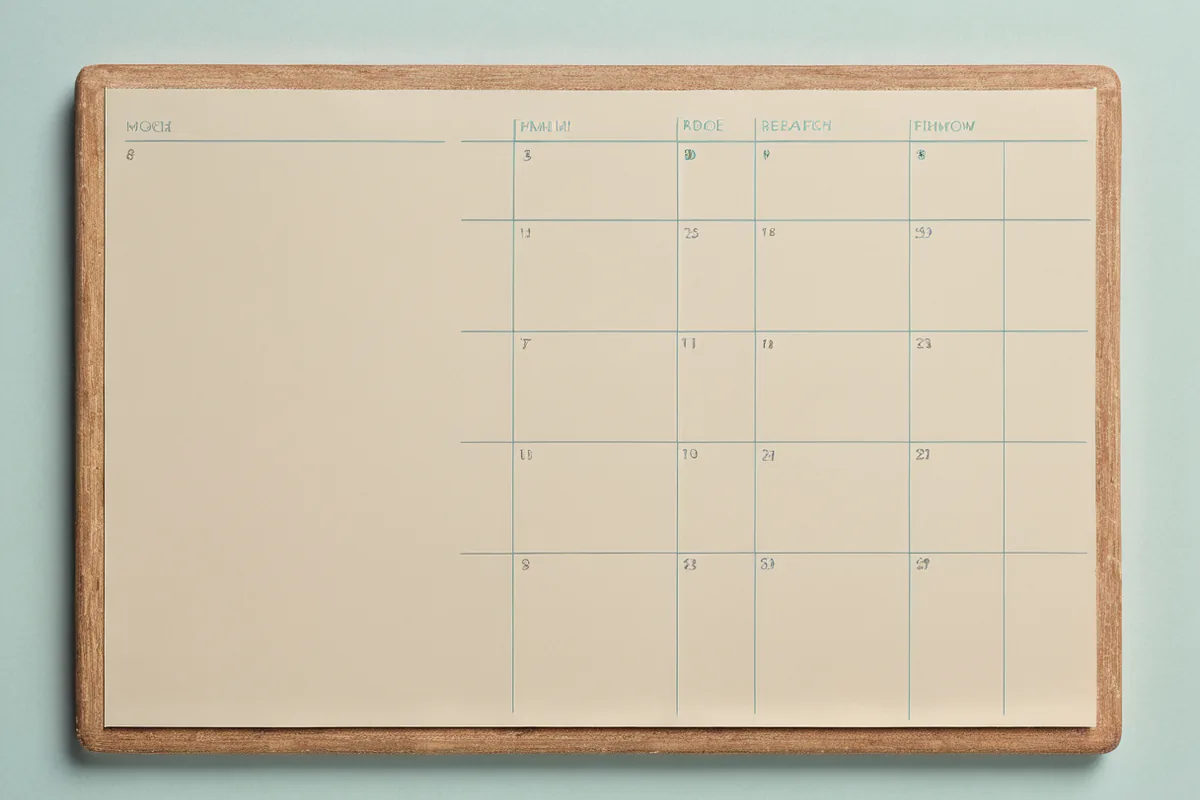
Keep it simple
- Weekly calendar
- Action-paper pocket
- Three current priorities
- Pen and marker within reach