Map the week before choosing meals
Mark the late arrivals, evening activities, and nights when the cook is likely to be tired. Give those evenings the simplest formats first: leftovers, eggs and toast, a freezer meal, or assembled sandwiches with fruit.
Choose only one meal that is new or requires several steps. Familiar dinners reduce decision-making and make it easier for other family members to help.

Use flexible meal formulas
A formula such as grain plus vegetable plus protein can change with what is available. Tacos, baked potatoes, soup, pasta, and snack plates also welcome substitutions without breaking the plan.
Write the format on the calendar rather than an inflexible recipe. “Pasta night” leaves room for tomato sauce, pesto, frozen vegetables, or leftovers.
Plan one helpful overlap
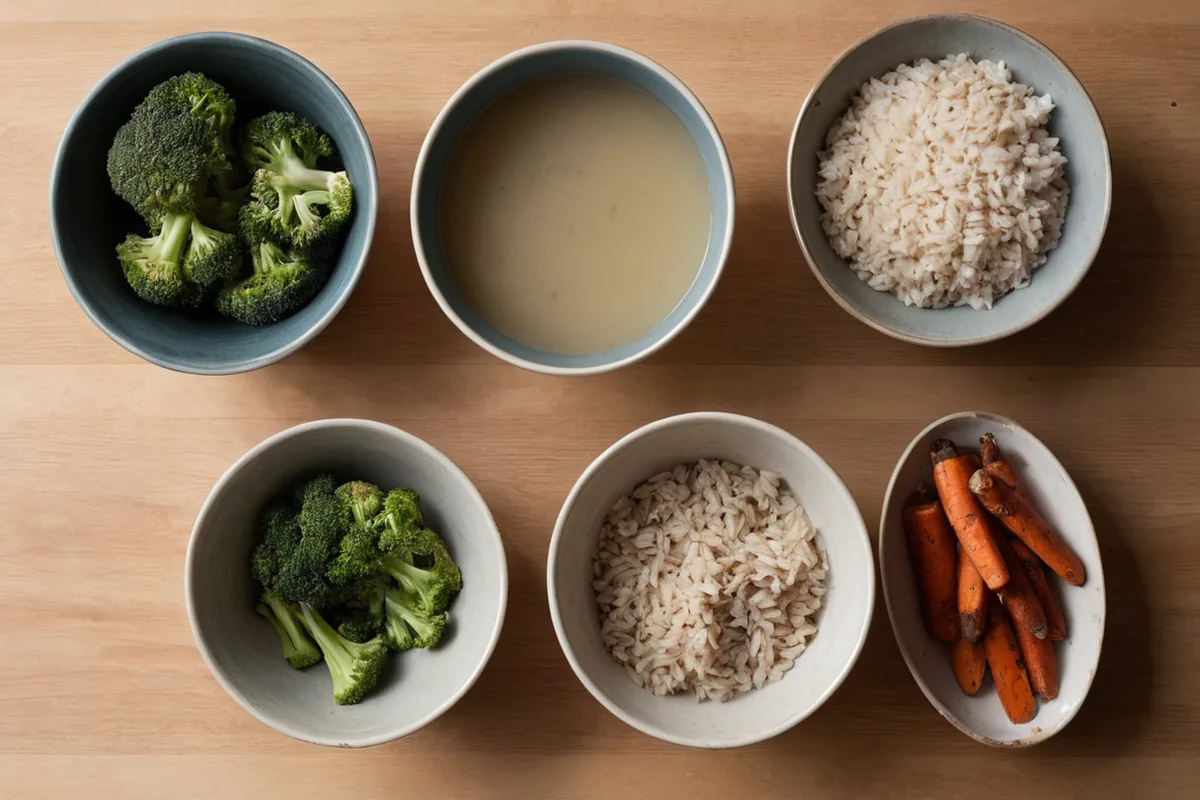
Cook one component that can appear twice: rice for bowls and soup, roasted vegetables for dinner and lunch, or extra chicken for wraps. The second meal should feel different enough to stay appealing.
Keep one backup dinner that requires almost no thought. Using it is not a failed plan; it is the part of the plan that protects a hard evening.
Keep it simple
- Check the week’s busiest nights
- Pick repeatable meal formats
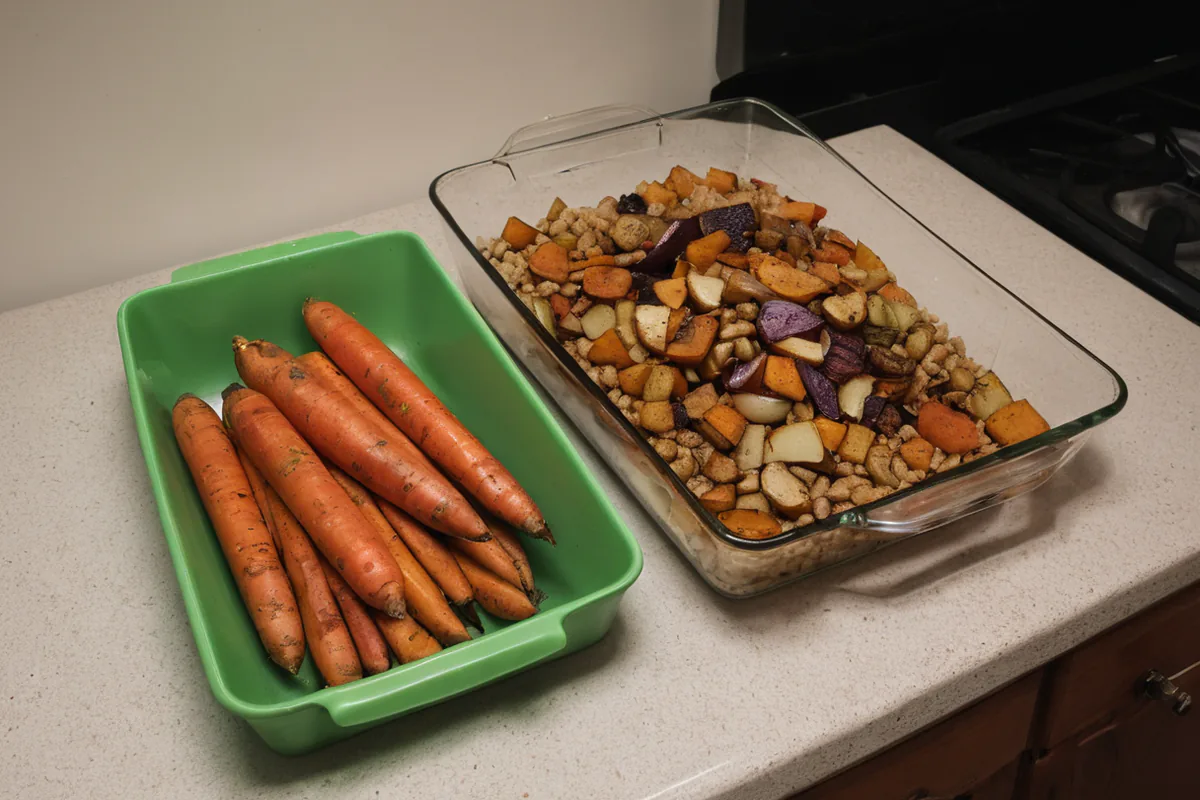
- Cook one component twice
- Keep one no-stress backup