Look from a guest’s point of view
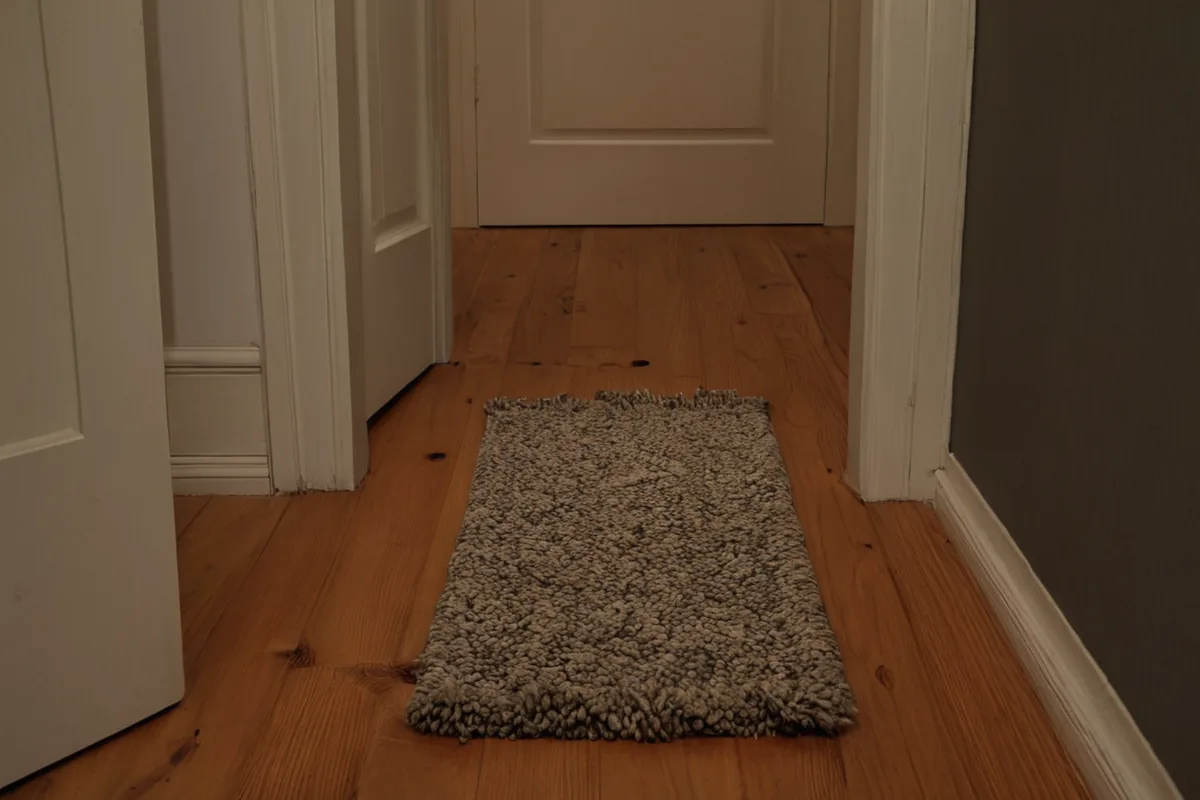
Walk the usual paths from the front door to bedrooms, bathrooms, and the kitchen. Notice loose rugs, dim corners, cords crossing walkways, and items stored where they could fall. Check the same route after dark.
If children or older adults use the home, view reachable shelves, handles, and stairs from their height and pace. Different household members notice different problems.
Check the busy utility zones
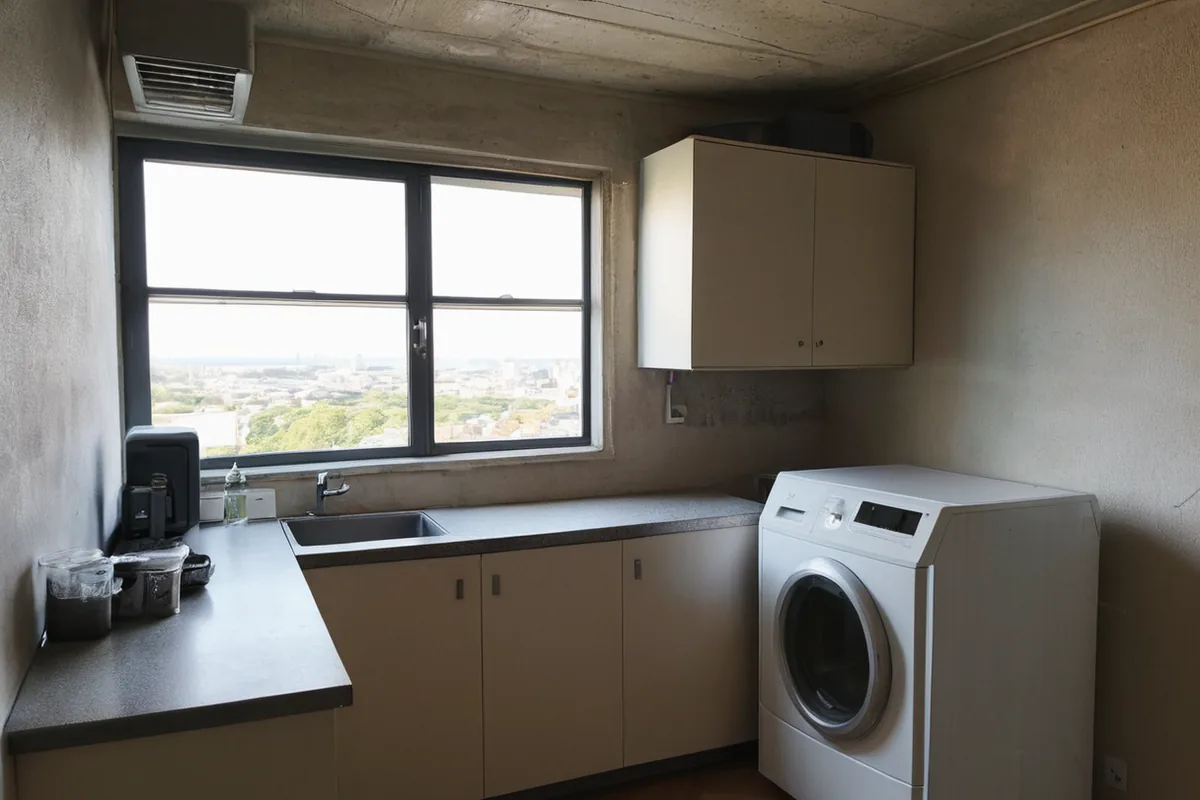
Look around cooking, laundry, charging, and cleaning areas. Keep exits and vents clear, store household products appropriately, and replace visibly damaged cords or plugs rather than improvising a repair.
Follow the manufacturer’s instructions for alarms and appliances. If something smells hot, sparks, leaks, or repeatedly trips a breaker, stop using it and contact a qualified professional.
Make a short action list
Separate quick household fixes from items that need a landlord, electrician, plumber, or other qualified professional. Prioritize anything affecting an exit, active leak, heat, electricity, or unstable heavy furniture.
Repeat the walk after a move, a room rearrangement, or a major change in who lives in the home. The point is steady awareness, not worry.
Keep it simple
- Clear walking paths
- Stable rugs and furniture
- Undamaged cords and plugs
- Professional help for hazards or uncertainty